
Yes, offer a payment plan, and make it one that finishes before the shoot. On a $3,000 wedding package charged by card through Stripe, splitting the balance into eight monthly payments costs $2.10 more than taking it in one go, because only the 30-cent fixed fee repeats. Running the instalments as ACH debits brings the total fee down to $43.20. Sending the balance through Klarna instead costs $152.49 in total, about $65 more than two card payments. Klarna earns that extra only for clients who cannot finish paying before the date.
Key takeaways
- Monthly instalments by card cost almost the same as one payment. Stripe's percentage applies to the total either way; only the fixed fee repeats.
- A plan that ends two to four weeks before the shoot is a prepayment, not a loan. You never deliver work that is not paid for, so you carry very little risk.
- Klarna pays you the full amount upfront and takes the repayment risk, at 5.99% + 30¢ in the US versus 2.9% + 30¢ for a card (Stripe, as of November 11, 2026).
- Klarna's short plans have caps. In the US, Pay in 4 stops at $2,000, so a $2,100 balance only fits Klarna's longer financing, which may charge the client interest.
- Never let a plan run past delivery. That turns you into a lender, and lending can bring consumer credit rules.
Is a payment plan a loan?
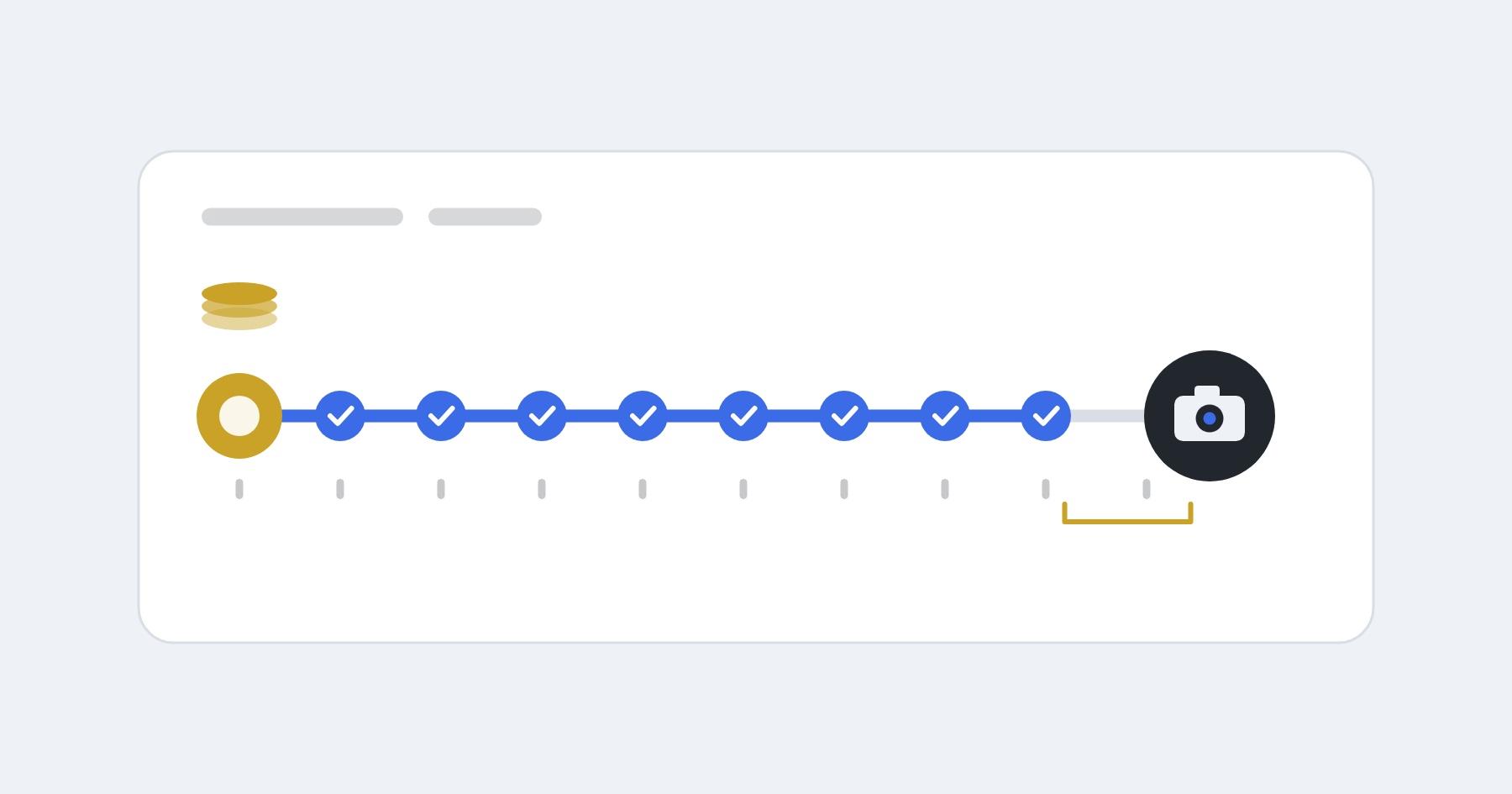
Not if it ends before you shoot. When the client pays the last instalment before the wedding, they are paying in advance for a service you have not delivered yet. If they stop paying, you still have the work in hand, and your contract decides what happens to the money already paid.
It becomes a loan when the payments continue after delivery. Then you have done the work and are waiting to be paid for it, which is exactly the risk lenders charge for. In many places, regular credit to consumers also comes with disclosure and licensing rules. Where the line sits depends on your state or country, so treat this as general information and check your local rules before offering any plan that runs past the shoot date.
The simple rule: the final payment is due before the event, with enough margin that a late payment does not reach the wedding day. Two to four weeks gives you room to chase one missed payment.
What does each way of collecting a $3,000 package cost?
Here is the model. These are example numbers; swap in your own.
| Input | Example value |
|---|---|
| Package price | $3,000 |
| Booked | 10 months before the wedding |
| Deposit at booking | 30%, $900 |
| Balance | $2,100 |
| Monthly plan | 8 payments of $262.50, last one 4 weeks before the wedding |
Fees are from Stripe's US pricing page as of November 11, 2026: 2.9% + 30¢ for domestic cards, 0.8% for ACH Direct Debit with a $5 cap, and 5.99% + 30¢ for Klarna.
| How the client pays | Fee you pay | Who carries the risk |
|---|---|---|
| Deposit + one balance payment, both by card | $87.60 | You, for the balance |
| Deposit + 8 monthly card payments | $89.70 | You, payment by payment |
| Deposit by card + 8 monthly ACH debits | $43.20 | You, payment by payment |
| Deposit by card + balance through Klarna | $152.49 | Klarna, for the balance |
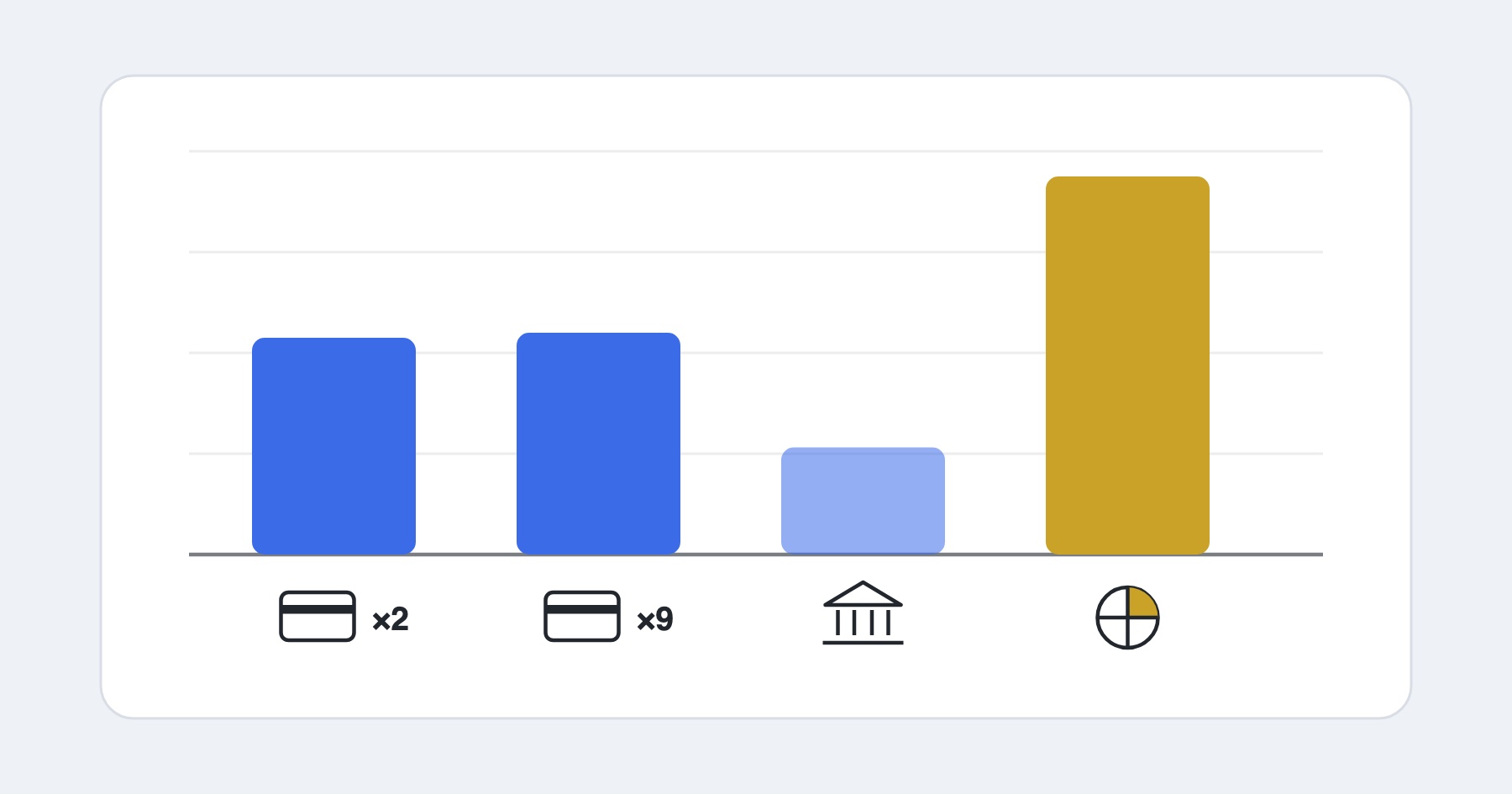
Two things jump out. The number of payments barely matters for cards: nine charges instead of two adds $2.10. And the Klarna option costs about $65 more than two card payments, which is 2.2% of the package.
Why do more instalments cost so little?
Because card fees are a percentage of the money plus a small fixed fee per charge. Split $2,100 into eight parts and you pay 2.9% on the same $2,100; the only extra is seven more 30-cent fees. ACH is cheaper still because 0.8% of $262.50 is $2.10, well under the $5 cap.
What more instalments do cost you is attention. Each payment can fail, and each failure means a polite reminder from you. Cards on file and bank debits that are collected automatically remove most of that work. Invoices the client has to remember to pay every month bring it back.
When is Klarna worth the extra fee?
Klarna is worth it when the client cannot finish paying before the date and you want to be paid in full anyway. Through Stripe, you receive the whole amount minus fees upfront, Klarna collects the instalments from the client, and if the client can't repay, Klarna takes the loss.
That is a real service, but look at what you are buying. With a plan that ends before the wedding, the risk Klarna takes off you is small: a client who stops paying in month five has not received any work. The risk that remains is the client who goes quiet three weeks before the date, when you can no longer rebook it. For most photographers that is rare enough that 2.2% of every financed package is a high price for insurance.
Where Klarna does fit:
- A couple that books late, say six weeks out, and cannot pay the balance by the deadline.
- A client who would otherwise pick a cheaper package. If Klarna moves them from $2,400 to $3,000, the extra $600 dwarfs the fee.
- Photographers who simply do not want to chase payments and are happy to price the fee into their packages.
Where do Klarna's limits bite?
On bigger balances. Stripe's Klarna documentation lists these US limits (as of November 11, 2026):
| Klarna option | What the client does | Amount range |
|---|---|---|
| Pay in 4 | Four interest-free payments | $1 to $2,000 |
| Pay later | One payment in 30 days | $5 to $1,000 |
| Financing | Up to 36 months, may include interest | $45 to $10,000 |
Our $2,100 balance is over the Pay in 4 limit, so the client would only be offered financing, which may charge them interest and depends on a credit check. A client who expected "four easy payments" and sees an interest rate may blame you. If you want to use Pay in 4, keep the Klarna part at $2,000 or less, for example by taking a slightly larger deposit. Klarna can change these ranges at its discretion, so check them before you write them into a contract.
There is a second catch. If the client cancels after Klarna has paid you the balance, you refund it, and Stripe does not return its processing fee on refunds. Taking the full balance ten months before the wedding means more time for plans to change.
How should you write a payment plan into your contract?
Put the whole schedule in writing at booking, with dates and amounts, not "monthly payments until the wedding." A good schedule answers four questions:
- When is each payment due? Fixed dates, with the last one two to four weeks before the shoot.
- How is it paid? Card on file or bank debit collected automatically is best. If the client pays by transfer, give the reference to use.
- What happens if a payment is late? A short grace period (for example seven days), then a reminder, then the clause about cancellation.
- What happens to money already paid if the client cancels? Tie this to your deposit and cancellation terms. Our deposit guide covers what you can keep and why it depends on local law.
A sample schedule for the $3,000 package:
| Date | Payment | Paid so far |
|---|---|---|
| Booking (month 0) | $900 deposit | $900 |
| Months 1 to 8 | $262.50 each | $3,000 by month 8 |
| Wedding (month 10) | Nothing due | $3,000 |
What Ultra does here, and what it does not
Ultra is our product, so weigh this section accordingly. Ultra does not run payment plans or take card payments at the moment of booking today; on the online booking page that is marked "coming soon". What it does: on the Pro plan ($7 a month or $84 a year, as of November 11, 2026, on the pricing page) you can set a price for each session type in USD, EUR, or UAH and write payment instructions that go out in the client's booking confirmation email. That is where the schedule above goes: the dates, the amounts, and how to pay each one.
Ultra takes no cut of what clients pay you, so whichever processor you choose, its fee is the only one. For the full comparison of processor and platform fees across a year of work, see the real math of photography payment fees.